Category: Food

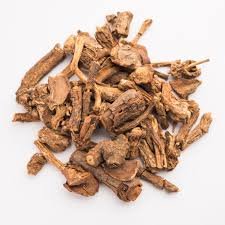
  • Sarsaparilla Root: Nature’s Ancient Remedy for Modern Health

    Sarsaparilla Root: Nature’s Ancient Remedy for Modern Health

    Sarsaparilla root has long been celebrated in traditional medicine for its wide range of healing properties. Derived from the Smilax plant species, this remarkable root has been valued for centuries for promoting vitality and overall wellness. From detoxification to skin health, the uses of sarsaparilla root remain relevant even today.


    A Brief History of Sarsaparilla Root

    Historically, was used by indigenous tribes of Central and South America as a powerful tonic. European explorers later introduced it to the West, where it became a popular remedy for ailments such as arthritis, skin conditions, and fatigue. Over time, gained recognition for its potential role in purifying the blood and enhancing energy naturally.


    Nutritional Profile and Active Compounds

    Sarsaparilla root contains a rich blend of natural plant chemicals known as saponins, flavonoids, and plant sterols. These compounds are believed to contribute to its anti-inflammatory and antioxidant effects. Additionally, the root offers trace minerals that support various body functions, including iron, magnesium, and zinc. Consequently, its unique composition makes it a valuable herbal supplement for daily wellness.


    Key Health Benefits of Sarsaparilla Root

    1. Detoxification and Liver Support

    is often associated with cleansing and detoxifying the body. It assists the liver in eliminating toxins, thereby supporting overall metabolic health. As a result, the root is frequently used in herbal detox blends and teas.

    2. Promotes Clear and Healthy Skin

    Because of its purifying qualities, has traditionally been used to improve skin conditions such as acne, eczema, and psoriasis. The anti-inflammatory nature of the plant helps soothe irritation, while its cleansing properties promote clearer skin over time.

    3. Supports Hormonal Balance

    Saponins found in sarsaparilla root are thought to mimic certain natural hormones, aiding in hormonal regulation. Therefore, this root has sometimes been used to support reproductive health and reduce symptoms associated with hormonal imbalances.

    4. Boosts Energy and Stamina

    Regular use of sarsaparilla root may contribute to improved stamina and vitality. Historically, it was used by athletes and laborers to enhance endurance. Today, it remains popular among those seeking natural ways to combat fatigue.

    5. Enhances Immune Function

    The antioxidant content of sarsaparilla root plays an important role in supporting immune defense. By neutralizing harmful free radicals, it contributes to maintaining a strong and resilient immune system.


    Traditional and Modern Uses

    Traditionally, sarsaparilla root was brewed as tea or used in tonics. In modern herbal medicine, it is available in various forms including capsules, powders, and liquid extracts. Because it blends easily with other herbs, sarsaparilla root is often included in formulations designed for detoxification, hormonal balance, and immune support.


    Precautions and Considerations

    Although sarsaparilla root is generally considered safe for most adults, it should be used responsibly. Individuals with kidney or liver conditions should consult a healthcare professional before use. Moreover, pregnant or nursing women are advised to seek medical guidance. As with any supplement, moderation and consistency yield the best results.


    How to Use Sarsaparilla Root

    Sarsaparilla root can be consumed in different ways depending on personal preference. Many people enjoy it as a herbal tea, while others prefer convenient capsule or tincture forms. To prepare tea, the root is simmered in water for 10–15 minutes, allowing its beneficial compounds to infuse into the liquid.


    Conclusion: A Timeless Herbal Ally

    In summary, sarsaparilla root remains a valuable natural remedy that bridges ancient wisdom and modern health practices. With its detoxifying, energizing, and immune-boosting benefits, it continues to play a vital role in holistic wellness. While further research is ongoing, the long-standing use of sarsaparilla root highlights its potential as a gentle yet effective herbal ally.

  • Foenegriek: Het Wonderkruid voor Gezondheid en Vitaliteit

    Foenegriek: Het Wonderkruid voor Gezondheid en Vitaliteit

    Foenegriek, ook bekend als Trigonella foenum-graecum, is een kruid dat al eeuwenlang wordt gebruikt in de Ayurvedische en Arabische geneeskunde. Tegenwoordig wint opnieuw aan populariteit dankzij zijn brede scala aan gezondheidsvoordelen. Of het nu gaat om het ondersteunen van de spijsvertering, het verbeteren van de hormonale balans of het stimuleren van de eetlust — is een natuurlijke krachtpatser.


    Wat is Foenegriek?

    is een plant uit de vlinderbloemenfamilie. De zaden worden voornamelijk gebruikt in supplementen, poeders en thee. Ze hebben een licht bittere smaak, vergelijkbaar met selderij of karwijzaad. Hoewel de smaak intens kan zijn, wegen de voordelen ruimschoots op tegen de bitterheid. Bovendien worden de zaden vaak geroosterd om hun aroma te verbeteren.


    Voedingswaarde van Foenegriek

    De zaden van zitten vol essentiële voedingsstoffen. Ze bevatten vezels, eiwitten, ijzer, magnesium, mangaan en vitamine B6. Dankzij deze samenstelling ondersteunt foenegriek niet alleen de spijsvertering, maar bevordert het ook de opname van voedingsstoffen. Daarnaast werken de antioxidanten in foenegriek als natuurlijke beschermers tegen vrije radicalen.


    Belangrijkste Gezondheidsvoordelen van Foenegriek

    1. Ondersteuning van de Spijsvertering

    bevordert een gezonde spijsvertering doordat de vezels de stoelgang stimuleren. Daardoor wordt constipatie verminderd en wordt de darmwerking verbeterd. Bovendien helpen de slijmstoffen in de zaden bij het kalmeren van een geïrriteerde maag.

    2. Regulatie van de Bloedsuikerspiegel

    Een van de meest onderzochte voordelen van foenegriek is het effect op bloedsuiker. Verschillende studies tonen aan dat de insulinegevoeligheid kan verbeteren. Daardoor wordt de bloedsuikerspiegel beter gereguleerd, wat vooral gunstig is voor mensen met diabetes type 2.

    3. Verbetering van de Hormonale Balans

    Foenegriek staat bekend om zijn invloed op de hormonale balans. Bij vrouwen kan het helpen bij menstruatieklachten en het stimuleren van de borstvoeding. Bij mannen wordt vaak gebruikt om het testosterongehalte en de vitaliteit te ondersteunen. Daardoor wordt het vaak toegevoegd aan natuurlijke supplementen voor energie en libido.

    4. Verhoogde Eetlust en Spiergroei

    Wie moeite heeft met aankomen, kan veel baat hebben bij foenegriek. Het stimuleert de eetlust op een natuurlijke manier, zonder kunstmatige toevoegingen. Sporters gebruiken regelmatig om spiermassa op te bouwen in combinatie met eiwitrijke voeding.

    5. Ontstekingsremmende en Antioxidante Werking

    Dankzij de antioxidanten helpt foenegriek het lichaam te beschermen tegen ontstekingen. Daardoor kan het bijdragen aan een sterker immuunsysteem. Bovendien worden huidproblemen, zoals acne of eczeem, vaak verminderd bij regelmatig gebruik van foenegriekolie.


    Hoe Gebruik Je Foenegriek?

    Foenegriek kan op verschillende manieren worden ingenomen. De meest voorkomende vormen zijn poeder, capsules of thee. Poeder kan eenvoudig worden toegevoegd aan smoothies of yoghurt. Capsules zijn ideaal voor dagelijks gebruik, terwijl thee een zachte manier biedt om de spijsvertering te stimuleren.

    Hoewel foenegriek veilig is voor de meeste mensen, is het verstandig om met een kleine dosis te beginnen. Op die manier kan het lichaam rustig wennen aan de actieve stoffen. Zwangere vrouwen wordt aangeraden vooraf een arts te raadplegen.


    Foenegriek in de Keuken

    In de keuken wordt foenegriek vaak gebruikt als smaakmaker in curry’s, stoofschotels en brood. Bovendien past het goed bij gerechten met linzen, spinazie en aardappelen. Omdat de smaak intens is, volstaat een kleine hoeveelheid. Door het kort te roosteren ontstaat een mildere, nootachtige smaak die gerechten extra diepte geeft.


    Conclusie

    Foenegriek is meer dan zomaar een kruid. Het biedt talloze gezondheidsvoordelen die het lichaam ondersteunen en versterken. Dankzij de rijke samenstelling en natuurlijke werking is foenegriek ideaal voor iedereen die op een gezonde manier aan zijn welzijn wil werken. Met regelmatige inname kunnen zowel de spijsvertering als de hormonale balans aanzienlijk verbeteren

  • Imli Tamarind: The Tangy Fruit with Timeless Benefits

    Imli Tamarind: The Tangy Fruit with Timeless Benefits

    Imli tamarind, often called the “sour jewel” of the kitchen, is a tropical fruit used for centuries in traditional medicine and cooking. Known for its distinct tangy flavor, imli tamarind adds zest to countless dishes while offering impressive health benefits. Found in pods that contain sticky pulp, this fruit is rich in vitamins, minerals, and antioxidants that make it both flavorful and healing.


    Origin and Cultural Significance of Imli Tamarind

    Native to Africa, imli tamarind spread across Asia, where it became a staple ingredient in regional cuisines. It is deeply rooted in Indian, Thai, and Mexican cooking traditions. Over time, imli tamarind became popular for its unique ability to balance sweet, sour, and spicy flavors. Besides culinary use, it holds spiritual and medicinal significance in many cultures. Tamarind trees are often planted near temples as a symbol of purity and longevity.


    Nutritional Value of Imli Tamarind

    Imli tamarind is not only delicious but also nutritionally rich. It provides essential nutrients such as potassium, magnesium, iron, calcium, and vitamin C. Additionally, it contains dietary fiber that supports digestion. A small portion of imli tamarind pulp delivers a significant amount of antioxidants, which help combat free radicals in the body. Furthermore, it offers a natural source of tartaric acid, responsible for its characteristic sourness and health-boosting properties.


    Top Health Benefits of Imli Tamarind

    1. Supports Healthy Digestion

    Imli tamarind has long been valued for its digestive benefits. The fruit’s natural acids stimulate bile production, which improves the digestion of fats. Moreover, its fiber content helps prevent constipation and promotes smooth bowel movement. Consuming tamarind water after meals is a traditional practice for easing bloating and indigestion.

    2. Boosts Heart Health

    Due to its rich antioxidant profile, imli tamarind helps reduce bad cholesterol levels while supporting healthy blood circulation. It contains flavonoids that protect against oxidative stress, which is often linked to heart disease. When used moderately, tamarind can contribute to maintaining cardiovascular health naturally.

    3. Strengthens Immunity

    Vitamin C and other antioxidants in imli tamarind enhance immune function. Regular consumption helps the body fight infections more effectively. In addition, its antimicrobial properties offer protection from harmful bacteria and fungi.

    4. Aids in Weight Management

    Imli tamarind contains hydroxycitric acid (HCA), a compound known for suppressing appetite and reducing fat storage. Combined with its fiber content, it can be a helpful addition to weight management plans. Drinking tamarind-infused water may help regulate metabolism and energy levels throughout the day.

    5. Improves Skin and Hair Health

    The natural acids in tamarind exfoliate the skin gently, removing dead cells and impurities. Furthermore, its antioxidants slow down premature aging. Many natural beauty remedies include tamarind pulp for glowing skin and strong hair. The vitamin C present in it also stimulates collagen production, improving skin elasticity.


    Culinary Uses of Imli Tamarind

    Imli tamarind plays a vital role in global cuisines. In India, it’s used to make chutneys, curries, and refreshing drinks. Thai and Vietnamese dishes often include tamarind paste for its tangy twist. Additionally, Mexican candies and sauces incorporate tamarind for a sweet-sour experience. Its versatility allows it to blend with both savory and sweet ingredients, creating balanced and flavorful dishes.

    When cooking, tamarind pulp can replace vinegar or lemon juice for natural sourness. It’s also a great tenderizer for meats. In beverages, tamarind juice provides a refreshing tang and acts as a natural coolant during hot weather.


    How to Use and Store Imli Tamarind

    Tamarind can be used in different forms — raw pods, paste, or concentrate. To prepare tamarind water, soak the pulp in warm water for 10–15 minutes, then strain. This liquid can be used directly in recipes. For storage, keep the pulp in an airtight container and refrigerate it to preserve freshness. Tamarind concentrate, available in jars, offers convenience and a longer shelf life.


    Possible Side Effects and Precautions

    Although imli tamarind offers many benefits, it should be consumed in moderation. Excessive intake may lead to acidity or interact with certain medications. People with diabetes should monitor their consumption, as tamarind can lower blood sugar levels. Consulting a healthcare professional before using it for medicinal purposes is always advisable.


    Conclusion

    Imli tamarind is more than just a tangy fruit; it’s a treasure trove of nutrients and health benefits. From enhancing digestion to boosting immunity, it plays multiple roles in maintaining overall wellness. Whether added to food or used as a natural remedy, imli tamarind remains a timeless ingredient cherished around the world. Embracing it in your diet can bring flavor, balance, and vitality to everyday living.