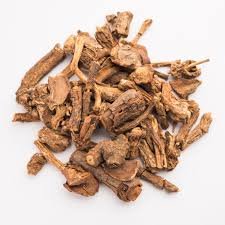
Sarsaparilla root has long been celebrated in traditional medicine for its wide range of healing properties. Derived from the Smilax plant species, this remarkable root has been valued for centuries for promoting vitality and overall wellness. From detoxification to skin health, the uses of sarsaparilla root remain relevant even today.
A Brief History of Sarsaparilla Root
Historically, was used by indigenous tribes of Central and South America as a powerful tonic. European explorers later introduced it to the West, where it became a popular remedy for ailments such as arthritis, skin conditions, and fatigue. Over time, gained recognition for its potential role in purifying the blood and enhancing energy naturally.
Nutritional Profile and Active Compounds
Sarsaparilla root contains a rich blend of natural plant chemicals known as saponins, flavonoids, and plant sterols. These compounds are believed to contribute to its anti-inflammatory and antioxidant effects. Additionally, the root offers trace minerals that support various body functions, including iron, magnesium, and zinc. Consequently, its unique composition makes it a valuable herbal supplement for daily wellness.
Key Health Benefits of Sarsaparilla Root
1. Detoxification and Liver Support
is often associated with cleansing and detoxifying the body. It assists the liver in eliminating toxins, thereby supporting overall metabolic health. As a result, the root is frequently used in herbal detox blends and teas.
2. Promotes Clear and Healthy Skin
Because of its purifying qualities, has traditionally been used to improve skin conditions such as acne, eczema, and psoriasis. The anti-inflammatory nature of the plant helps soothe irritation, while its cleansing properties promote clearer skin over time.
3. Supports Hormonal Balance
Saponins found in sarsaparilla root are thought to mimic certain natural hormones, aiding in hormonal regulation. Therefore, this root has sometimes been used to support reproductive health and reduce symptoms associated with hormonal imbalances.
4. Boosts Energy and Stamina
Regular use of sarsaparilla root may contribute to improved stamina and vitality. Historically, it was used by athletes and laborers to enhance endurance. Today, it remains popular among those seeking natural ways to combat fatigue.
5. Enhances Immune Function
The antioxidant content of sarsaparilla root plays an important role in supporting immune defense. By neutralizing harmful free radicals, it contributes to maintaining a strong and resilient immune system.
Traditional and Modern Uses
Traditionally, sarsaparilla root was brewed as tea or used in tonics. In modern herbal medicine, it is available in various forms including capsules, powders, and liquid extracts. Because it blends easily with other herbs, sarsaparilla root is often included in formulations designed for detoxification, hormonal balance, and immune support.
Precautions and Considerations
Although sarsaparilla root is generally considered safe for most adults, it should be used responsibly. Individuals with kidney or liver conditions should consult a healthcare professional before use. Moreover, pregnant or nursing women are advised to seek medical guidance. As with any supplement, moderation and consistency yield the best results.
How to Use Sarsaparilla Root
Sarsaparilla root can be consumed in different ways depending on personal preference. Many people enjoy it as a herbal tea, while others prefer convenient capsule or tincture forms. To prepare tea, the root is simmered in water for 10–15 minutes, allowing its beneficial compounds to infuse into the liquid.
Conclusion: A Timeless Herbal Ally
In summary, sarsaparilla root remains a valuable natural remedy that bridges ancient wisdom and modern health practices. With its detoxifying, energizing, and immune-boosting benefits, it continues to play a vital role in holistic wellness. While further research is ongoing, the long-standing use of sarsaparilla root highlights its potential as a gentle yet effective herbal ally.
Leave a Reply